
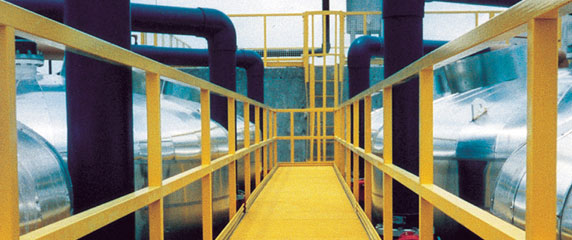
FRP Structures from Fiberman
Fiberman Structural Fiberglass combines superior raw materials, composite design, and the pultrusion process to manufacture the highest quality pultruded fiberglass structural shapes possible. Compositionally, Fiberglass members and beams are far stronger in the length-wise direction than structural steel.
Common FRP Structures Shapes
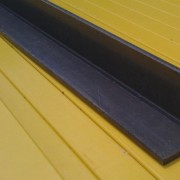
FRP Angle
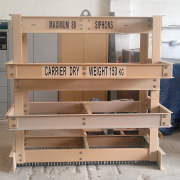
FRP Beams

FRP Channel
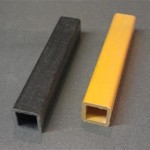
FRP Tube
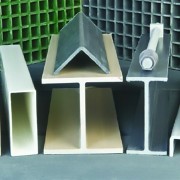
FRP Specialty Shapes
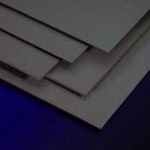
FRP Plate
Applications for FRP Structures in Harsh Environments
Fibreglass structures are excellent for harsh environments subject to chemical exposure, such as outdoor walkways on drilling platforms, in WWTP water treatment plants, in livestock facilities and anywhere you require secure and durable walking surfaces. FRP structures will consistently outperform rust-prone steel structures where moisture is present.
Discuss the specific needs of your project with one of Fiberman’s Fiberglass Structures experts. We will ensure that the material you select will have the specifications required for safety and optimum performance. You will also benefit from our industry-leading quick quote turnaround and fast delivery across Canada and the US.
For all FRP Structures inquiries, please call 1.844.599.0260 or email sales@fiberman.ca or Request a Quote.

1.844.599.0260
Our experts are ready to help.
Bulk and Wholesale Discounts Available on Large Orders

 Fast Delivery across Canada and USA via our Superior Logistics Network
We can ship FRP Structures from a distribution center close to you:
Fiberman’s headquarters in Western Canada stocks many FRP Structures dimensions, ready to ship across British Columbia, Alberta and all provinces in Canada. We have daily shipments from Vancouver to destinations including Edmonton, Calgary and Fort McMurray. For our US customers, we ship from distribution centers in: Pittsburgh, PA; Houston, TX; Knoxville, TN; Rochester, MN; Salt Lake City, Utah; and Orlando, FL.
Fiberman’s pricing and service experts are standing by to help to find the best product for your project. With many varieties in stock and expedited shipping, we can supply your project with FRP Structures at the best possible price with fast delivery.

FRP Structures and Radio Frequency Transparency
In today’s connected world, we depend on cellular telephone signals, Wi-Fi networks and over the air radio and television signals. Wi-Fi and Bluetooth connectivity are essential to on-site work environments. Steel structures significantly disrupt these signals. FRP Structures are an essential part of building structures that are “electronically transparent” and do not interfere with radio frequency transmissions.
